
Understanding LVP Flooring: What Makes It the Best?
Definition and Composition of LVP Flooring
Luxury Vinyl Plank (LVP) flooring is a highly popular synthetic flooring option designed to replicate the look and feel of natural materials like hardwood or stone. Made from multiple layers of high-quality vinyl, LVP flooring is engineered to provide exceptional durability and resilience. Its construction typically consists of a backing layer for stability, a core layer that offers impact resistance, a design layer for aesthetic appeal, and a wear layer that protects against scratches and stains. This multi-layer construction not only enhances the flooring’s longevity but also makes it a comfortable option underfoot.
Benefits of Best LVP Flooring for Your Home
The best lvp flooring offers numerous benefits that make it a top choice for homeowners. Firstly, LVP flooring is water-resistant, making it ideal for high-moisture areas like kitchens and bathrooms. Its scratch-resistant and stain-resistant properties also ensure that it maintains its appearance even in busy households with pets and children. Furthermore, LVP flooring is available in a vast array of designs and styles, allowing homeowners to choose the perfect match for their aesthetic preferences. Additionally, its softer surface makes it more comfortable to walk on compared to traditional tiles or stone flooring, while its installation process is simplified by various click-lock systems that can be installed over existing floors.
Comparing LVP to Other Flooring Options
When comparing LVP flooring to other popular flooring options, it stands out due to its combination of aesthetics, affordability, and ease of maintenance. Unlike hardwood, LVP flooring does not require periodic refinishing and is less susceptible to damage from water and moisture. While tile can provide a similar look, it often requires grout lines that can be difficult to clean. Moreover, LVP flooring is typically less expensive than both hardwood and tile, providing a budget-friendly alternative with superior resilience. Ultimately, the choice of flooring will depend on individual preferences, but LVP flooring certainly offers compelling advantages.
Top Features of the Best LVP Flooring
Design Versatility and Aesthetics
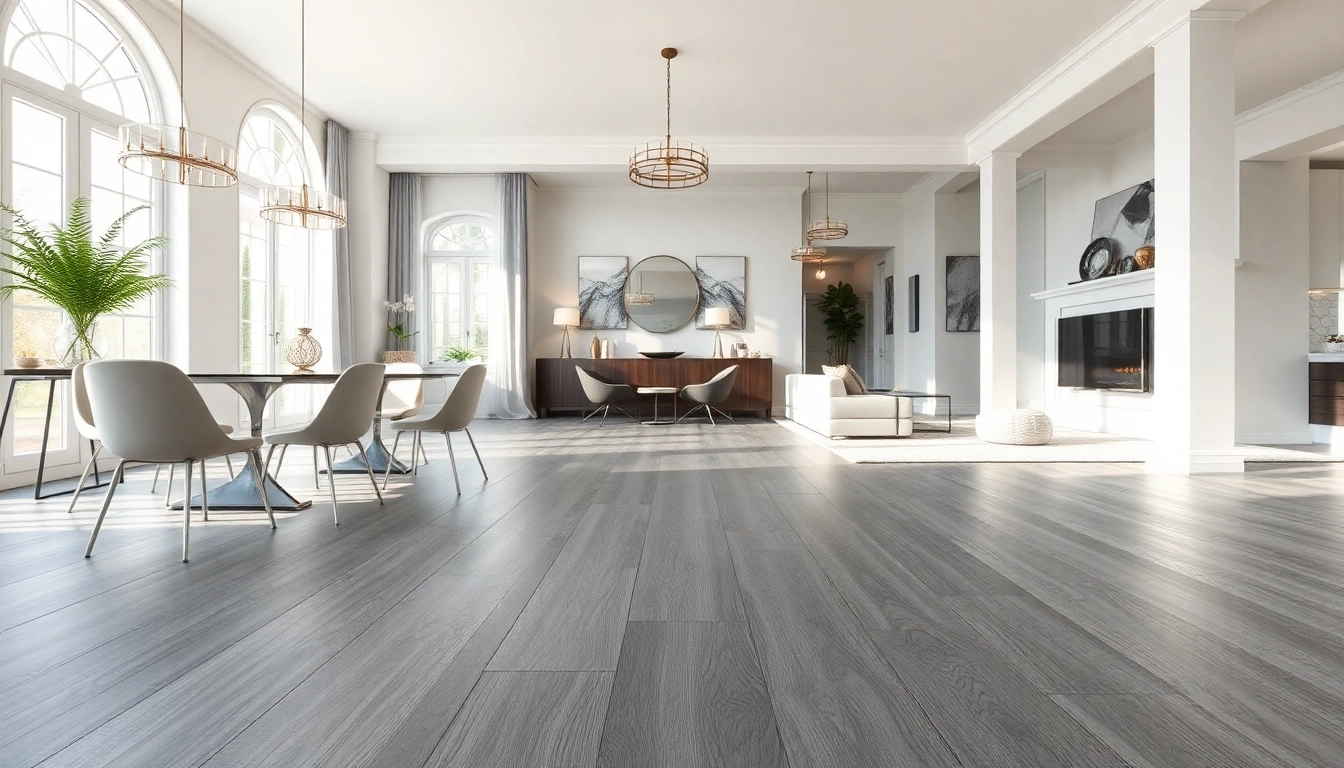
One of the standout features of best lvp flooring is its incredible design versatility. Available in a wide range of colors, textures, and patterns, LVP can easily blend with any home’s interior design – from contemporary and modern to classic and rustic settings. Advances in technology have also made it possible for LVP to mimic the intricate details of natural wood grains and stone surfaces, giving it a realistic appearance that is hard to differentiate from the real thing. Homeowners can choose from options that replicate popular wood species such as oak, maple, or hickory, enhancing the aesthetic value of their spaces.
Durability and Longevity
Durability is a hallmark of the best lvp flooring; it is constructed to withstand heavy foot traffic while resisting scratches, dents, and stains. This makes it a perfect choice for families, families with pets, and commercial spaces alike. Many brands offer products with warranties spanning up to 25 years, depending on usage and maintenance. LVP flooring’s robust wear layer adds to its longevity by providing a protective barrier against everyday wear and tear, thus ensuring the floor remains beautiful and functional for years to come.
Easy Maintenance of Best LVP Flooring
Maintenance is a critical factor for many homeowners and best lvp flooring scores high in this area. Unlike hardwood that requires specialized cleaning agents and regular oiling, LVP can be easily cleaned with regular sweeping and mopping. Spills and stains can be managed quickly since the flooring is resistant to both. For typical cleaning, a solution of warm water and gentle detergent is sufficient to keep the floor looking fresh and new. This low-maintenance characteristic not only saves homeowners time, but it makes LVP an attractive option for busy lifestyles.
Installation Guide for Best LVP Flooring
Preparing Your Space for Installation
Before diving into the installation of best lvp flooring, preparation is key. First, ensure that the surface is clean, dry, and level. Remove any existing flooring, ensuring to check for damages to the subfloor such as cracks or loose flooring materials. If necessary, repair any imperfections before installation. Additionally, it’s recommended to allow the LVP to acclimate to the room temperature for 48 hours before installation. This helps mitigate any potential expansion or contraction after it is laid down.
Step-by-Step Installation Process
The installation process for best lvp flooring can be straightforward if followed correctly. Here’s a step-by-step guide:
- Begin by measuring the room to determine how much flooring will be necessary.
- Snap together the planks according to the manufacturer’s instructions. Most LVP utilizes a click-lock installation method, meaning planks simply fit together at the edges.
- Start installation from one corner of the room, laying the first plank along the wall, ensuring to leave an expansion gap of approximately ¼ inch between the plank and the wall. Continue this for each subsequent row, moving in the same direction.
- Cut planks as needed using a utility knife or a saw for proper fitting around corners.
- Finish by securing any transition strips or trims. This will cover the expansion gaps and complete the look.
Common Installation Mistakes to Avoid
Even a simple installation process can present challenges if one is not careful. Common mistakes to avoid include:
- Neglecting surface preparation. Ensure the subfloor is completely clean and dry.
- Not leaving enough expansion space. Failure to account for movement can lead to buckling later.
- Ignoring manufacturer’s guidelines. Each brand may have specific requirements; adhering to them ensures the best results.
- Skipping the acclimation phase. This can result in problems due to expansion or contraction.
Maintaining Your Best LVP Flooring
Daily Cleaning Tips for Longevity
To maintain your best lvp flooring and ensure it lasts, follow these daily cleaning tips:
- Sweep or vacuum regularly to remove dirt and debris that may scratch the surface.
- Use a damp mop with a mild cleaner specifically designed for vinyl flooring to tackle spills and stains.
- Place mats at entrances to minimize dirt tracked in from shoes, protecting your flooring.
Dealing with Scratches and Damage
Even with the most durable flooring, scratches and damage can occur. For minor scratches, use a vinyl repair kit available at most home improvement stores. It typically contains color-matched filler that will blend into the flooring. For deeper scratches or dents, consider applying a wood filler followed by refinishing the area to restore its original look. If damage is extensive, replacement planks may be necessary, but the click-lock nature of LVP allows easy removal and replacement.
Periodic Maintenance for Best LVP Flooring
Along with daily cleaning, periodic maintenance of best lvp flooring is essential. This includes:
- Conducting an annual deep clean to eliminate ground-in dirt.
- Checking for any loose or damaged planks and addressing them promptly.
- Re-evaluating the cleaning products used, opting for those recommended by manufacturers.
FAQs About Best LVP Flooring
What is the average cost of best LVP flooring?
The average cost of best LVP flooring can range from $2 to $7 per square foot, depending on quality and design.
Is best LVP flooring suitable for bathrooms?
Yes, best LVP flooring is water-resistant, making it suitable for use in bathrooms and other moisture-prone areas.
How long does best lvp flooring typically last?
With proper care, best LVP flooring can last between 10 to 25 years, depending on quality and usage conditions.
Can I install best LVP flooring over existing floors?
Yes, you can install best LVP flooring over most existing floors, but it’s important to ensure the surface is level and clean.
What are the eco-friendliness features of best LVP flooring?
Many brands offer eco-friendly options for best LVP flooring, made from recycled materials and free from harmful chemicals.