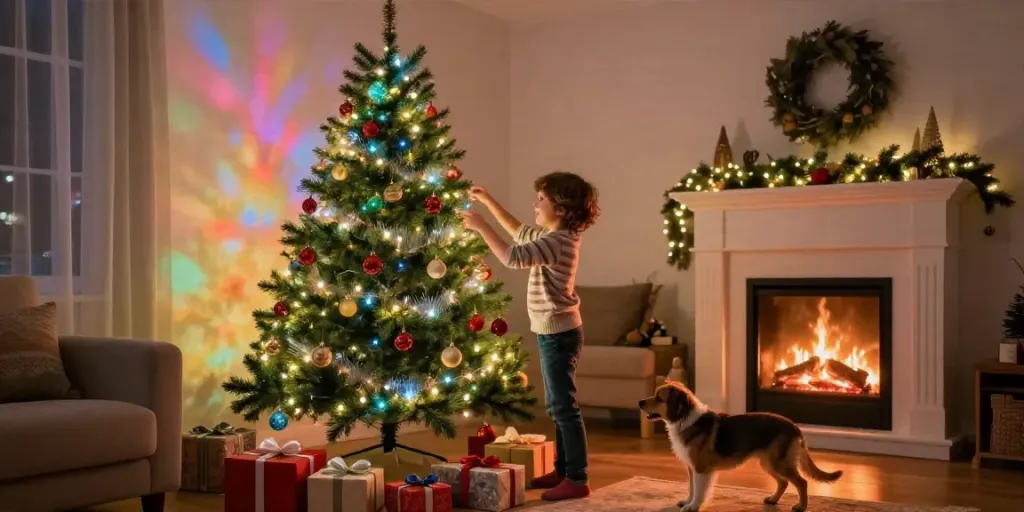
The Evolution of Fiber Optic Trees: A Look Ahead to 2026
As the holiday season approaches, many families are on the quest for the perfect Christmas tree. One option that has seen a significant rise in popularity is the fiber optic tree. These trees blend tradition and technology, offering dazzling displays that can transform any space into a festive wonderland. In this article, we will explore the history, current trends, and future innovations related to fiber optic trees, as we look ahead to 2026.
History and Development of Fiber Optic Trees
The journey of fiber optic trees began in the late 20th century as advances in technology made way for innovative lighting solutions. These artificial trees utilize thin strands of glass or plastic fibers to transmit light and create vibrant colors and patterns. When introduced in the 1980s, fiber optic trees were primarily used in commercial settings. However, as their design evolved, they became more accessible and appealing for residential use. Modern fiber optic trees range from small tabletop models to grand, full-sized trees, making them suitable for various spaces and preferences.
Current Trends Influencing Fiber Optic Holiday Decor
In recent years, several trends have shaped the fiber optic tree market. Sustainability is a significant driving force as consumers become more eco-conscious. Brands are increasingly focusing on energy-efficient lighting options and using recyclable materials in their production. Additionally, customizable options, such as interchangeable color wheels or remote-controlled lighting effects, are becoming a staple in the industry. With these innovations, fiber optic trees are not just decorative pieces; they are dynamic components of holiday decorating.
Projected Innovations in Fiber Optic Technology
Looking to the future, advancements in technology are expected to enhance fiber optic trees even further. One area of growth is in smart technology integration. Imagine being able to control your fiber optic tree's lighting via a smartphone app, allowing you to adjust brightness, color, and patterns from anywhere in your home. Furthermore, developments in sustainable LED technology could lead to even lower energy consumption, producing vibrant displays without significantly impacting your electricity bill.
Benefits of Choosing Fiber Optic Trees for Your Home
The desire for a stunning holiday display is one reason families are increasingly choosing fiber optic trees. However, beyond aesthetics, these trees offer practical advantages that make them an ideal choice for many households.
Energy Efficiency and Cost Savings
One of the standout features of fiber optic trees is their energy efficiency. Unlike traditional incandescent bulbs, which can consume a significant amount of electricity, fiber optic lighting systems generally use LED technology, which is much more energy efficient. This not only conserves electricity but also leads to lower utility bills during the holiday season.
Safety Features Compared to Traditional Christmas Trees
Safety is always a priority when it comes to holiday decorating. Fiber optic trees present a safer alternative to traditional trees, which may be prone to catching fire due to overheating lights or dry needles. Fiber optics produce minimal heat, reducing the risk of fire hazards and making them a safer option for homes with children or pets.
Ease of Setup and Maintenance for Busy Families
For families with busy schedules, the ease of setting up and maintaining a fiber optic tree can be a significant advantage. These trees typically come pre-lit, meaning there’s no need to spend hours stringing lights or replacing bulbs. Most models require minimal assembly and their maintenance is straightforward—simply dust off the branches and enjoy the beautiful light display.
Designing Your Holiday Space with Fiber Optic Trees
Choosing a fiber optic tree is not just about selecting a lighting solution; it’s also about creating a cohesive holiday environment. Here are some considerations for designing your space effectively.
Choosing the Right Size and Style for Your Home
When selecting a fiber optic tree, size and style are crucial factors. Available in a variety of heights—from quaint 3-foot models perfect for tabletops to grand 7-foot trees ideal for living rooms—there is a fiber optic tree for every space. Additionally, styles vary significantly, with options ranging from traditional pine shapes to whimsical, modern designs. Think about your home’s decor and choose a style that complements your existing aesthetic.
Integration with Other Holiday Decor Elements
Integrating your fiber optic tree with other holiday decorations is essential for a cohesive look. Consider how your tree's colors and lighting patterns can enhance other elements such as garlands, wreaths, or ornaments. You might also want to coordinate your tree with the rest of your lighting, ensuring that your home radiates festive cheer both inside and out.
Creating a Magical Atmosphere with Lighting Techniques
The beauty of fiber optic trees lies not only in their design but also in their ability to create an enchanting atmosphere. Use lighting techniques like dimming the lights in the room to emphasize the glow from your fiber optic tree, or incorporate additional soft lighting to create depth and warmth. Consider using reflective surfaces, such as mirrors or metallic decorations, to enhance the light display even further.
Common Misconceptions About Fiber Optic Trees
As with any product, there are several misconceptions surrounding fiber optic trees that can lead to hesitation among potential buyers. Let’s debunk some of these myths.
Understanding the Technology Behind Fiber Optics
Many consumers are unaware of how fiber optics work, leading to confusion about their functionality. Unlike traditional lights, which emit light outward, fiber optics use light transmission through optical fibers to illuminate the tree's branches. This technology enables vibrant color displays and patterns that can create a mesmerizing visual experience.
Debunking Myths About Heat and Safety
Another common myth is that fiber optic trees can still overheat due to the presence of electrical components. However, because fiber optic strands work mainly by transmitting light rather than producing it, they are significantly less likely to generate heat. This makes fiber optic trees a much safer choice than traditional options.
The Longevity and Durability of Fiber Optic Trees
Concerns about the longevity of fiber optic trees are also prevalent. Quality fiber optic trees are designed to last for many holiday seasons, provided they are properly cared for. The materials used in their construction are often durable and resistant to wear, ensuring your investment will stand the test of time.
Future Trends and Consumer Preferences for 2026
As we approach 2026, several trends are likely to shape consumer preferences and innovations in the fiber optic tree market.
Emerging Styles and Customization Options
Customization continues to be a vital trend, with consumers expressing a strong desire for personalized products. Expect to see more fiber optic trees that allow for customizable features such as changeable colors, patterns, and even themed decorations to suit individual tastes and holiday aesthetics.
Sustainable Practices in Fiber Optic Tree Production
With climate change at the forefront of global discourse, sustainability is becoming increasingly important to consumers. Companies are likely to respond by enhancing their manufacturing processes to be more environmentally friendly, using recyclable materials and sustainable practices wherever possible.
Expert Insights into Consumer Buying Behavior
As the market for fiber optic trees grows, understanding consumer behavior will be crucial for manufacturers and retailers. Insights suggest that buyers will prioritize quality and durability over price, seeking products that not only look good but will also last multiple holiday seasons.
Can you still buy fiber optic Christmas trees?
Yes, fiber optic Christmas trees remain widely available and continue to be a desirable option for holiday decor.
How long does a fiber optic tree last?
High-quality fiber optic trees can last many years, often exceeding a decade with proper care and maintenance.
Do fiber optic trees get hot?
No, fiber optic trees do not get hot like traditional incandescent trees due to their energy-efficient LED technology, reducing fire risks.
Are fiber optic trees good?
Fiber optic trees are an excellent choice for holiday decor. They offer vibrant displays, energy efficiency, and ease of use, making them suitable for any home.
How to choose the best fiber optic tree for your home?
Look for a tree that complements your home’s style, consider the size that fits your space, and ensure it features the lighting effects you desire. Investing in a well-reviewed model can provide peace of mind and years of enjoyment.