
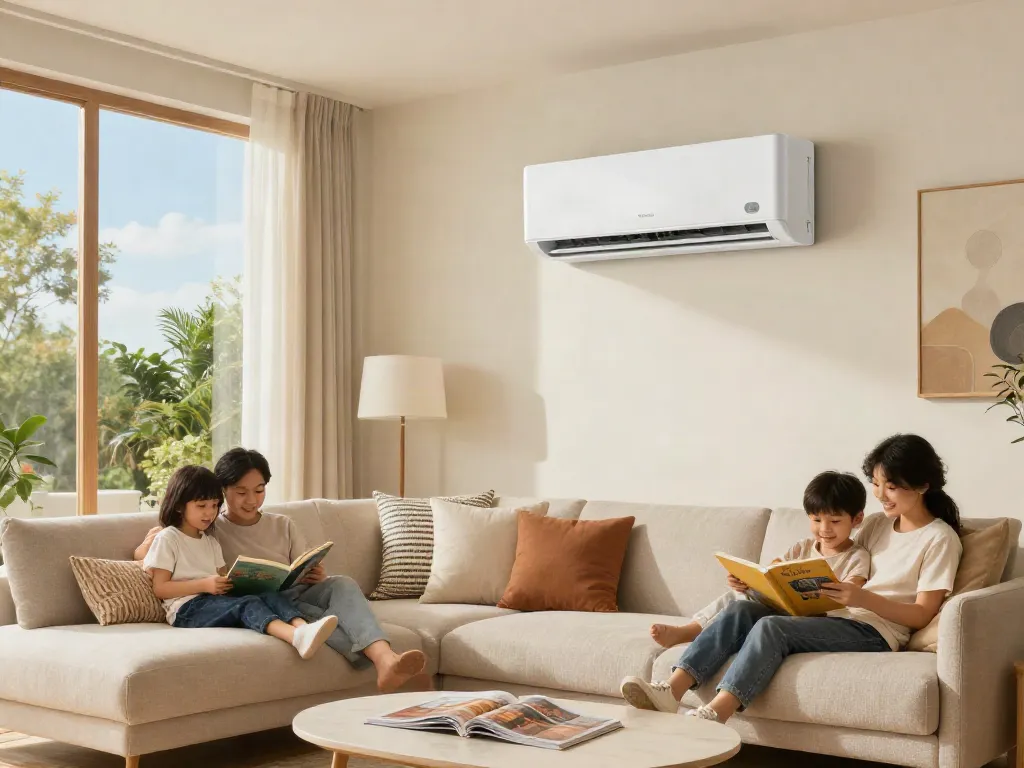
Understanding Mini Split of Air Conditioner Systems
As the demand for energy-efficient heating and cooling solutions continues to grow, the mini split of air conditioner systems are rapidly gaining popularity among homeowners and businesses alike. These versatile units offer a seamless blend of modern technology and comfort, making them an ideal choice for various cooling needs. This article delves into the essentials of mini split systems, their components, benefits, and why they are becoming the preferred option over traditional air conditioning systems.
What is a Mini Split of Air Conditioner?
A mini split air conditioner, also known as a ductless system, is a compact HVAC solution designed to efficiently heat and cool individual rooms or multiple zones in a building. Unlike traditional central air conditioning systems that rely on extensive ductwork, mini splits consist of two main components: an outdoor condenser unit and one or more indoor air handling units. This dual configuration allows for targeted temperature control, leading to greater energy efficiency and comfort.
Key Components of Mini Split Systems
Understanding the key components of a mini split air conditioning system is essential for both potential buyers and users. These systems typically consist of:
- Outdoor Unit: Houses the compressor and condenser, responsible for expelling heat from your space.
- Indoor Unit(s): These can be wall-mounted, ceiling-mounted, or floor-mounted units that distribute conditioned air throughout the room.
- Refrigerant Lines: Copper tubing that connects the indoor and outdoor units, allowing for the transfer of refrigerant.
- Control System: A remote control or wall-mounted thermostat that allows users to adjust the temperature settings easily.
Benefits of Choosing Mini Split Air Conditioners
Mini split systems have several advantages that make them highly desirable for both residential and commercial applications:
- Energy Efficiency: Mini splits use inverter technology, allowing them to operate at varying speeds to maintain desired temperatures without excessive energy consumption.
- Installation Flexibility: With no need for ductwork, mini splits are easier and quicker to install, making them suitable for various buildings, including retrofits and new constructions.
- Customizable Temperature Control: Each indoor unit can be controlled independently, allowing different rooms to be set at different temperatures based on individual preferences.
- Environmental Benefits: Mini splits produce fewer greenhouse gas emissions than traditional systems due to their higher efficiency rates.
Common Misconceptions About Mini Split of Air Conditioners
Myths vs. Facts: Debunking Mini Split Misunderstandings
Despite their growing popularity, several misconceptions about mini split air conditioners persist. For instance, many people believe that:
- Myth: Mini splits are noisy. Fact: Most modern mini splits operate quietly, often quieter than traditional systems.
- Myth: They are only suitable for warm climates. Fact: Mini splits can effectively heat and cool spaces in various climates, including colder regions.
- Myth: Installation is complicated and costly. Fact: The installation process is relatively straightforward and can often be completed in a single day.
Why Mini Split Systems Are More Efficient
The efficiency of mini split systems stems from their design and technology. Traditional HVAC systems can waste energy through duct leaks and inefficient heating and cooling processes. Mini splits eliminate the need for ducts, reducing energy loss, and their variable-speed compressors adapt to the cooling or heating requirements of the room, optimizing energy use.
The Cost-Effectiveness of Mini Splits Explained
Initially, the purchase price of a mini split air conditioner might be higher than that of traditional systems. However, their long-term savings on energy bills can lead to a lower overall cost of ownership. Additionally, many mini splits qualify for energy rebates and incentives, which can further offset initial expenses.
Selecting the Right Mini Split of Air Conditioner for Your Home
How to Determine the Best Mini Split Size for Your Space
Choosing the right size mini split system is crucial for optimal performance. BTU (British Thermal Unit) ratings are used to measure a unit's cooling capacity. It's essential to assess the square footage of the area you want to cool or heat and consider factors like insulation, climate, and room orientation to determine the appropriate size.
Assessing Energy Efficiency Ratings
Look for energy efficiency ratings such as SEER (Seasonal Energy Efficiency Ratio) and HSPF (Heating Seasonal Performance Factor) when comparing mini split systems. Higher SEER and HSPF ratings indicate more efficient models, which can save you money on your energy bills over time.
Popular Brands to Consider in 2026
As we look toward 2026, several brands stand out for their innovative technologies and reliability in the mini split market. Brands like Daikin, Mitsubishi Electric, and Fujitsu are known for their high-quality systems, offering a range of units that cater to diverse needs and preferences.
Installation Best Practices for Mini Split of Air Conditioners
Step-by-Step Installation Process
Installing a mini split system requires careful planning and execution. Here is a general overview of the installation process:
- Choose the Location: Selecting appropriate locations for both indoor and outdoor units is crucial for efficient operation.
- Mounting the Indoor Unit: Use a mounting bracket to secure the indoor unit, ensuring it is level and accessible.
- Connect Refrigerant Lines: Install the refrigerant lines between the indoor and outdoor units while ensuring proper insulation.
- Install the Outdoor Unit: Place the outdoor unit on a stable surface, ensuring it has adequate airflow.
- Wiring: Connect electrical wiring according to the manufacturer's instructions.
- Test the System: Once everything is connected, test the system to ensure it operates correctly.
Common Installation Mistakes to Avoid
To ensure a successful installation, avoid these common mistakes:
- Incorrect Sizing: Installing a unit that is too small or too big can lead to inefficiency and inadequate cooling or heating.
- Poor Location Choice: Placing units where they are obstructed can hinder airflow and performance.
- Overlooking Electrical Specifications: Always adhere to the manufacturer's electrical requirements to avoid potential hazards.
Tools and Equipment Needed for Installation
Below is a list of essential tools and equipment commonly needed for a mini split installation:
- Drill and drill bits
- Level
- Pipe wrench
- Refrigerant gauge set
- Vacuum pump
- Electrical tools (screwdrivers, pliers, wire strippers)
Future Trends in Mini Split of Air Conditioner Technology
What to Expect in Mini Split Innovations
As technology advances, the mini split air conditioner market is expected to see several innovations that enhance efficiency and usability. Expect future systems to feature improved inverter technology, which will allow for even greater energy savings and performance optimization.
Smart Technology Integration in Mini Splits
Integration of smart technology will continue to rise, with many units expected to come with Wi-Fi capabilities, allowing users to control their air conditioners remotely via smartphone apps. This technology enables enhanced user control and improved energy management.
Predictions for Mini Split Performance Standards by 2026
By 2026, we can anticipate stringent performance standards for energy efficiency and environmental impact, pushing manufacturers to innovate and produce even more efficient models. This shift will benefit consumers through lower energy bills and a reduced carbon footprint.
What are the installation costs for a mini split of air conditioner?
Installation costs for a mini split air conditioner can vary widely based on factors such as unit size, the complexity of the installation, and geographical location. On average, homeowners can expect to pay between $1,500 and $4,000 for complete installation, which includes labor and materials.
Can a mini split of air conditioner heat my home effectively?
Yes, mini split air conditioners can effectively heat homes, particularly those equipped with heat pump functionality. They can maintain comfortable indoor temperatures even in colder climates by efficiently transferring heat, making them suitable for year-round use.
How do I maintain my mini split of air conditioner?
Maintenance of a mini split system is relatively straightforward. Here are some key maintenance tips:
- Regularly clean or replace air filters to maintain optimal airflow.
- Check and ensure that the exterior unit is free of debris and has adequate clearance for airflow.
- Schedule annual professional servicing to check refrigerant levels and overall system performance.
What are the advantages of ductless mini splits over traditional systems?
Ductless mini splits offer several advantages over traditional systems, including higher energy efficiency, reduced energy costs, easier installation, and customizable temperature controls for different areas of the home.
Are mini split systems suitable for all climates?
Yes, mini split systems are versatile and can operate efficiently in various climates, ranging from hot to cold environments. Their ability to both cool and heat makes them an ideal choice year-round.