

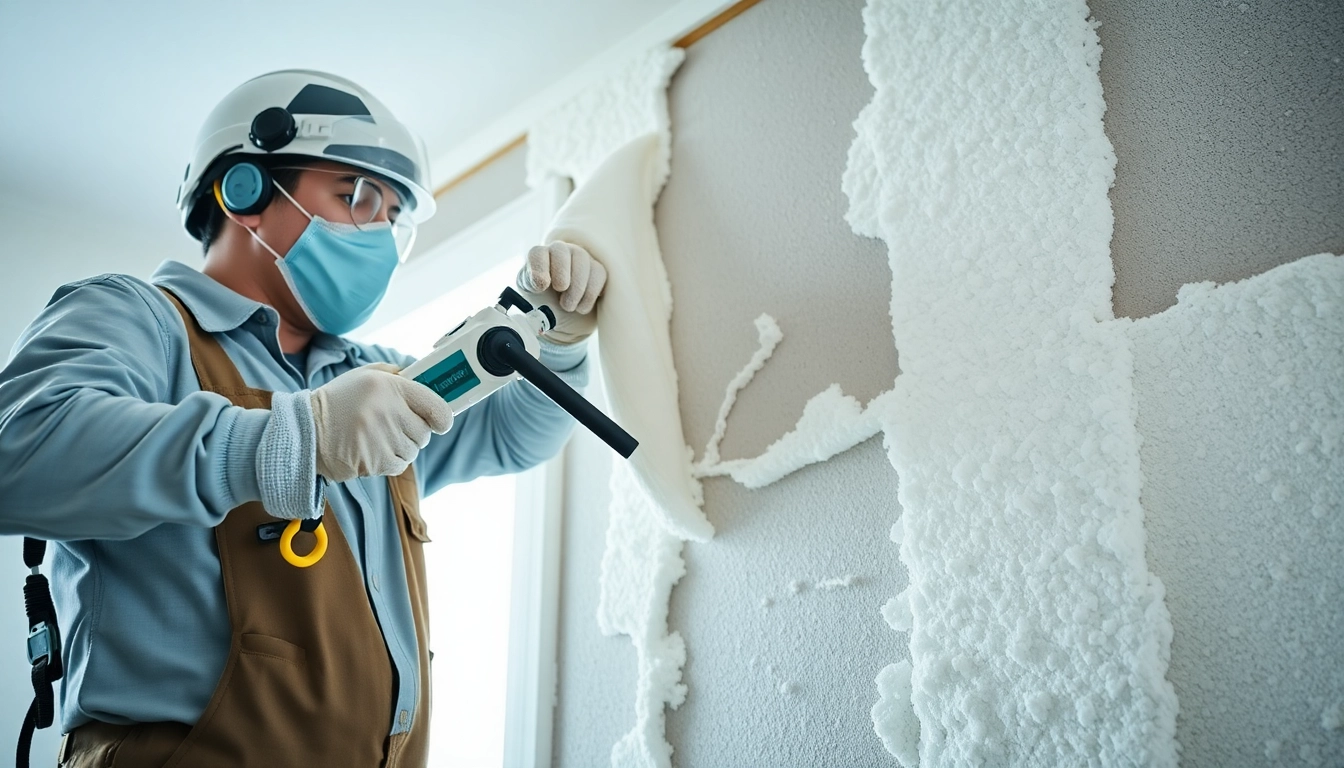
Understanding Spray Foam Insulation
What is Spray Foam Insulation?
Spray foam insulation is a highly effective insulation material that is applied as a liquid and expands to fill spaces. Composed of isocyanate and polyol resin, it offers excellent thermal performance and air sealing properties, making it a popular choice for both residential and commercial buildings. When properly installed, it creates an airtight seal around walls, attics, crawl spaces, and roofs, significantly enhancing the energy efficiency of a property.
Advantages of Using Spray Foam
There are several advantages to using spray foam insulation that make it an appealing choice for homeowners. Firstly, its superior insulating properties can drastically reduce heating and cooling costs, leading to significant long-term savings on energy bills. spray foam removal West Sussex is especially critical when considering the lifecycle of insulation components.
Secondly, spray foam has a lifespan of over 25 years, which is significantly longer than traditional insulation materials like fiberglass or cellulose. Additionally, it is resistant to mold and mildew, making it a healthier option for indoor air quality. Its ability to curtail air leakage contributes not only to energy efficiency but also to enhanced comfort, creating a consistent indoor temperature.
Common Issues with Spray Foam
Despite its numerous benefits, homeowners may encounter several issues with spray foam insulation over time. One common problem is improper installation, which can lead to gaps in the insulation and reduce effectiveness. Additionally, spray foam can sometimes trap moisture, leading to mold growth if not monitored. Furthermore, as the foam ages, it can deteriorate, yellow, or become brittle, necessitating removal and replacement.
Why You May Need Spray Foam Removal West Sussex
Signs It’s Time for Removal
Identifying the right time for spray foam removal is crucial for maintaining a healthy living environment. Some signs that indicate the need for removal include visible damage to the foam—such as cracking, peeling, or discoloration—that reveals underlying issues. If residents notice a change in heating or cooling efficiency or an increase in energy bills, it suggests that the insulation is no longer performing effectively and may require removal.
Health Risks Associated with Old Foam
Old spray foam can pose health risks due to the off-gassing of potentially harmful chemicals. As spray foam insulation breaks down over time, it can release volatile organic compounds (VOCs) which may affect indoor air quality. Furthermore, mold can flourish in damp or poorly insulated areas, which can lead to respiratory issues and exacerbate allergies. Timely removal of outdated foam is vital for protecting the health of your household.
Effect on Home Energy Efficiency
Homes with deteriorating spray foam insulation may experience significant energy inefficiencies. Air leaks and poor thermal performance can result in higher energy consumption for heating and cooling. This not only leads to increased utility bills but also places excess strain on HVAC systems, potentially leading to costly repairs or replacements in the future. Proper assessment and timely removal of ineffective spray foam are key to restoring energy efficiency.
Steps to Safely Remove Spray Foam
Tools and Equipment Needed
Removing spray foam insulation requires specific tools and safety equipment to ensure the task is done effectively and safely. Essential tools include a utility knife for cutting the foam, a pry bar for detaching residual pieces from surfaces, and sanders or grinders for smoothing out rough edges. Personal protective equipment (PPE) is crucial, comprising gloves, masks, and goggles to safeguard against dust and potential chemical exposure during the process.
Step-by-Step Removal Process
The process of removing spray foam insulation should be approached methodically. Firstly, prepare the work area by ensuring adequate ventilation. Next, carefully cut the foam using the utility knife, following the edges where the foam meets other surfaces to avoid damaging them. As you peel away the foam, use the pry bar to help detach stubborn pieces. Once the majority of the foam has been removed, sand down any remaining bits to prepare the surface for new insulation. Proper cleanup after the removal is also essential to eliminate any debris left behind that could interfere with future insulation.
Disposing of Removed Foam Material
Disposing of removed spray foam insulation must comply with local waste management regulations. Most communities have specific guidelines for disposing of construction materials, so it is vital to check these regulations before disposing of the foam. If possible, consider recycling options that may be available in your area, or hire a professional disposal service to handle the material safely.
Post-Removal: Preparing for Replacement Insulation
Choosing the Right Replacement Material
Once you have removed the old spray foam, it is crucial to select the right replacement insulation. Options include fiberglass, cellulose, and newer foam insulation varieties that may better suit your needs. When selecting insulation, consider factors such as energy efficiency, R-value (thermal resistance), sustainability, and moisture resistance. Consulting with an insulation expert can provide invaluable guidance tailored to your specific situation.
Sealing Your Home After Removal
Before installing new insulation, sealing gaps and cracks in your home is essential to ensure maximum effectiveness. Use caulk or specialized sealing products to address any air leaks around windows, doors, and other entry points. Proper sealing helps to keep your home energy-efficient and protects the new insulation from moisture infiltration. This step is particularly important in areas prone to high humidity.
Common Mistakes to Avoid
During the removal and replacement process, there are common mistakes that homeowners should be wary of. One mistake is rushing the removal, which can cause damage to surrounding structures and increase future costs. Another pitfall is failing to properly assess the space for air leaks before installing new insulation. Additionally, not consulting with professionals can lead to choices that may not align with the home’s unique characteristics and needs.
Frequently Asked Questions about Spray Foam Removal
How long does spray foam removal take?
The duration of spray foam removal can vary depending on the size of the area being treated and the complexity of the job. Typically, it can take anywhere from a few hours to a few days.
Can I attempt spray foam removal myself?
While DIY removal is possible, it is often recommended to hire professionals, especially for large areas or complex installations. This ensures safety and proper disposal of materials.
What are the costs associated with removal?
The costs for removing spray foam insulation depend on the size of the area and local rates. Expect to pay for labor, equipment, and potential disposal fees, typically ranging from a few hundred to several thousand dollars.
Will I need to treat for allergens after removal?
Yes, it may be necessary to address allergens after removal, especially if the spray foam trapped moisture or supported mold growth. Professional cleaning and air quality analysis can help.
How can I prevent future insulation issues?
Regular inspection of insulation and ensuring proper moisture control can prevent future issues. It’s also essential to hire qualified professionals for installation and removal tasks.