

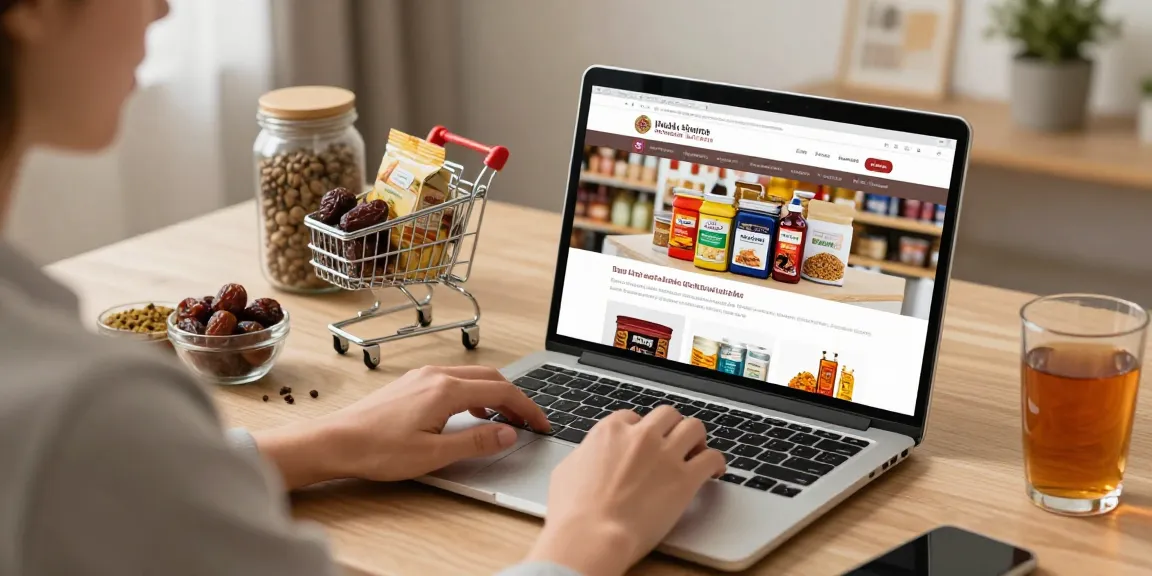
1. Understanding Middle Eastern Grocery Needs
The world of Middle Eastern grocery shopping is rich and diverse, catering to a variety of culinary tastes and health preferences. From rare spices to essential staple ingredients, understanding what is necessary for authentic Middle Eastern cooking can greatly enhance your meal preparation experience. In the pursuit of quality and authenticity, online platforms like Middle eastern grocery stores are becoming increasingly popular among consumers, who appreciate the convenience of shopping from home. This article will guide you through the essential elements of Middle Eastern grocery shopping, ensuring you make informed purchases that suit your kitchen needs.
1.1 Key Ingredients for Authentic Dishes
Middle Eastern cuisine is characterized by its unique flavors and textures, heavily influenced by the regions where it originates. Staples such as rice, lentils, chickpeas, and various types of bread serve as the foundation for many meals. Spices like cumin, coriander, sumac, and za’atar are crucial for achieving authentic taste. Each ingredient contributes to a rich tapestry of flavors that are central to Middle Eastern cooking, making it essential to source high-quality products when preparing traditional dishes.
1.2 Health Benefits of Middle Eastern Foods
Middle Eastern foods are not only delicious but also loaded with health benefits. Whole grains, fresh vegetables, legumes, and spices that are prevalent in this cuisine have been linked to various health advantages, including improved heart health, reduced inflammation, and enhanced digestion. For example, dishes that incorporate olive oil, like hummus or baba ghanoush, are rich in monounsaturated fats that are beneficial for cardiovascular health. Incorporating these healthy ingredients into your diet can lead to a balanced lifestyle.
1.3 Nutritional Insights for Buyers
When shopping for Middle Eastern groceries, it’s important to pay attention to the nutritional profiles of various products. Many options, such as whole grains and legumes, offer ample fiber, protein, and essential vitamins. However, it’s crucial to avoid products with excessive added sugars or preservatives. Consumers should always read nutrition labels and opt for items that highlight natural ingredients, ensuring they make choices that align with their health goals.
2. Popular Middle Eastern Products You Should Try
The Middle Eastern grocery market is filled with an array of products that can elevate your cooking. Whether you’re a seasoned chef or a novice cook, here are some must-try items that can enhance your culinary repertoire. Through careful selection, you can not only enjoy wonderful dishes but also experience new flavors from the comfort of your home.
2.1 Top-Rated Spices and Herbs
- Cumin: A warming spice essential in stews and grilled meats.
- Sumac: Known for its tangy flavor, often sprinkled on salads and meats.
- Zaatar: A herb blend that combines thyme, sesame seeds, and sumac, perfect for seasoning.
Investing in quality spices will enhance your dishes and provide authentic Middle Eastern flavors that are often challenging to replicate with standard supermarket spices.
2.2 Essential Frozen Options for Quick Meals
Busy lifestyles call for quick meal solutions, and frozen Middle Eastern foods can be a lifesaver. Products like frozen falafel, stuffed grape leaves, and various pastries are not only convenient but also uphold the traditional taste you desire. When shopping for frozen goods, look for items that contain whole food ingredients and minimal preservatives.
2.3 Premium Honey and Tea Selections
Middle Eastern honey, often derived from diverse floral sources, is known for its unique flavor profile and health benefits. Pairing it with a robust cup of tea, such as black tea flavored with cardamom, can create a delightful afternoon ritual. Whether you prefer a sweet treat or a warm beverage, these products are a staple in Middle Eastern culture and should not be overlooked.
3. How to Shop Successfully for Middle Eastern Groceries Online
Navigating the world of online grocery shopping, particularly for niche products like those found in Middle Eastern markets, requires careful planning. By understanding the digital landscape, consumers can make smarter purchases that save time and money while ensuring quality.
3.1 Comparing Prices and Quality
When shopping for Middle Eastern groceries online, it’s crucial to compare prices across different platforms. Look for established retailers that specialize in Middle Eastern products to ensure that you’re not only getting the best price but also high-quality items. Websites often display detailed product information that includes sourcing and ingredient details.
3.2 Understanding Shipping and Delivery Options
Shipping policies can vary significantly among online grocery stores. Some might offer free shipping over a certain amount, while others could charge based on weight or urgency. Review the shipping options provided before finalizing your order to ensure that your products arrive fresh and within your desired timeframe.
3.3 Secure Online Payment Practices
Security should be a top priority when making online purchases. Always look for shops that provide secure payment gateways and clear return policies. Knowing your rights as a consumer and how to handle returns can minimize any potential risks associated with online shopping.
4. Read Customer Reviews to Make Informed Choices
Consumer reviews are invaluable when it comes to making informed purchasing decisions. By understanding the opinions of other customers, you can gauge the quality and authenticity of products before buying them.
4.1 Trustworthy Review Platforms
There are numerous platforms where consumers can leave reviews, but it’s essential to rely on trustworthy sites. Look for feedback on established platforms that focus specifically on food products, as these often provide more relevant insights than general review sites.
4.2 Analyzing Social Proof for Better Decisions
High ratings and positive customer testimonials can serve as powerful trust signals. When shopping online, pay attention to products that have garnered a significant number of positive reviews, as these products are usually reliable in terms of quality and performance.
4.3 Utilizing Buyer Feedback for Product Selection
Feedback from past buyers can help you understand how a product performs in real-life scenarios. Whether it’s a spice blend or frozen food, insights on texture, flavor, and usability can dramatically influence your choices.
5. Common Mistakes in Middle Eastern Grocery Shopping
Middle Eastern grocery shopping can be an adventure filled with discovery, but it’s also essential to avoid common pitfalls that can lead to disappointing experiences and wasted money. By being aware of these mistakes, consumers can optimize their shopping strategies.
5.1 Overspending on Unnecessary Items
Impulse buying can lead to overspending, especially in the exciting world of Middle Eastern groceries. Create a shopping list based on your meal planning to avoid purchasing items that you won’t use, thus keeping your budget in check.
5.2 Ignoring Expiration Dates and Product Freshness
It’s easy to overlook expiration dates when shopping online, but these can significantly affect the quality of your ingredients. Always check the dates before finalizing your order, ensuring that you get the freshest products available.
5.3 Failing to Explore New Arrivals and Collections
Middle Eastern groceries have an ever-changing roster of products due to seasonal variations and regional specialties. Investigate new arrivals and collections offered by your preferred stores to broaden your culinary horizons and discover unique ingredients.
FAQs
What are essential spices in Middle Eastern cuisine?
Some essential spices include cumin, coriander, sumac, and cinnamon, each bringing its unique flavor to traditional dishes.
How can I ensure the freshness of my online grocery order?
Choose reputable online retailers with good reviews and clear policies on product freshness. Look for those that specialize in Middle Eastern grocery items.
Where can I find authentic Middle Eastern snacks online?
Many online grocery stores now offer a wide range of Middle Eastern snacks. Look for specialized shops that carry traditional items like baklava, halva, and various nut mixes.