

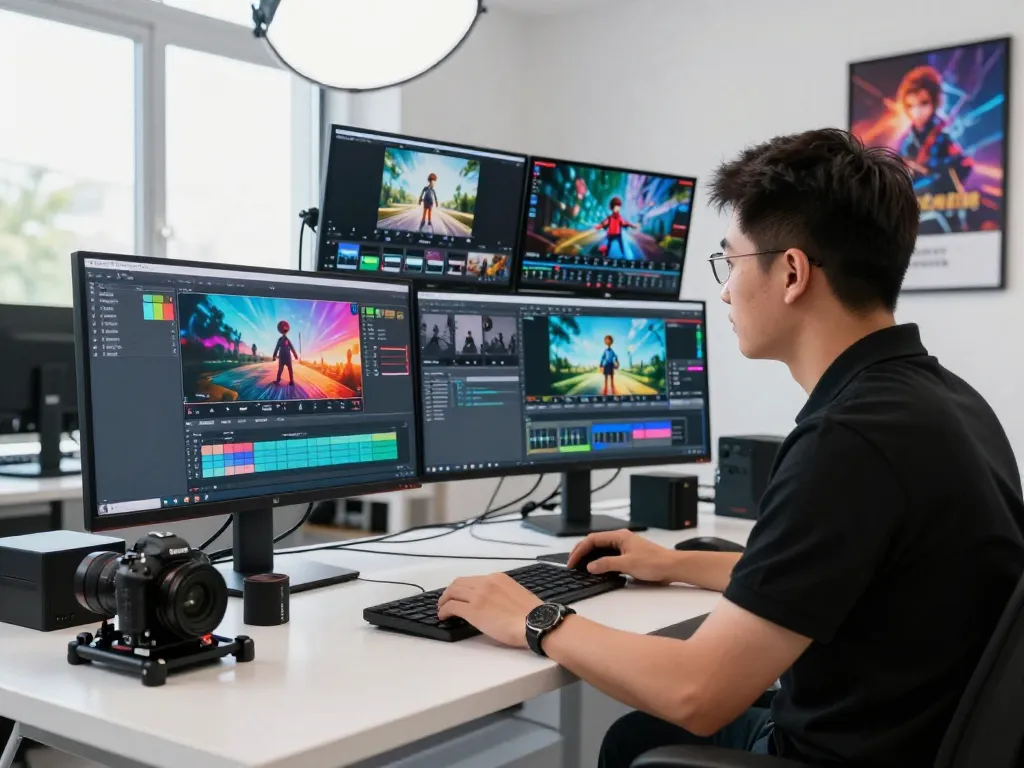
Understanding Kling 2.13: What Sets It Apart?
Kling 2.13 revolutionizes the landscape of AI-driven video creation by integrating advanced features that significantly enhance user experience and output quality. This latest iteration builds on the strong foundation of its predecessors while introducing remarkable innovations that cater to the evolving needs of content creators. When exploring options, kling 2.13 provides comprehensive insights into its capabilities, offering an efficient workflow for both seasoned professionals and newcomers alike.
Overview of Kling 2.13 Features
The Kling 2.13 platform integrates an array of cutting-edge features designed to streamline the video creation process:
- Advanced Facial Recognition: This allows for nuanced facial expressions and emotions to be captured and replicated in video outputs.
- Real-Time Editing Capabilities: Users can adjust parameters on the fly to refine video outputs as needed without lengthy re-render times.
- Expanded Motion Control Options: The software allows users to create detailed motion paths for characters and camera movements, enhancing storytelling and cinematic quality.
- Image Quality Enhancement: Utilizing AI-driven algorithms, Kling 2.13 produces images with photorealistic quality, ensuring that every frame captures the intended visual fidelity.
Comparative Analysis with Previous Versions
Compared to Kling 2.6 and earlier versions, Kling 2.13 introduces significant enhancements in several key areas:
- Improved Rendering Speed: The rendering engine has been optimized, cutting down production time significantly.
- Better User Interface: A more intuitive interface allows users to navigate tools and features seamlessly.
- Higher Customization Capability: Users can fine-tune motion and visual effects to create highly personalized videos.
Key Innovations for Enhanced Video Creation
Kling 2.13 not only refines existing features but also introduces innovative tools that set it apart:
- Hybrid Audio-Visual Generation: This feature allows simultaneous generation of audio elements along with video, making it easier to create cohesive video projects.
- Dynamic Scene Composition Tools: Enhanced tools for scene composition enable more creativity in camera angles and framing, making the final output feel more dynamic and engaging.
- AI-assisted Content Suggestions: The system analyzes user input and video context to suggest relevant visual effects and transitions, saving time and boosting creativity.
Getting Started with Kling 2.13: Setup and Workflow
Initial Setup Process and Requirements
To begin using Kling 2.13, users must meet specific system requirements, including a compatible operating system, sufficient RAM, and a robust graphics card to handle extensive processing. The installation process typically involves downloading the software from the official website and following the guided setup to ensure all components are ready for use.
Integrating Kling 2.13 into Your Existing Setup
For users with prior experience with Kling software, integrating 2.13 can be streamlined by importing existing projects and presets. Compatibility with older versions facilitates a seamless transition, allowing creators to leverage their previous work with upgraded tools and capabilities. For new users, a comprehensive tutorial series can assist in understanding the workflow.
Workflow Optimization Tips for Efficiency
To maximize efficiency while using Kling 2.13, consider the following tips:
- Pre-Plan Your Video Structure: Outline your video content, including key scenes and transitions, before starting the editing process.
- Utilize Templates: Leverage pre-designed templates to jumpstart projects and maintain consistency across videos.
- Batch Processing: For projects requiring multiple outputs, batch processing can save time by applying the same edits across various files.
Creating Stunning Videos with Kling 2.13
Utilizing Reference Videos for Best Results
A significant aspect of achieving high-quality outputs with Kling 2.13 lies in using reference videos. These videos guide the AI in replicating motion and behavior accurately, ensuring that your static images come to life with authenticity.
Advanced Techniques for Fine-Tuning Outputs
Fine-tuning your videos is crucial for achieving the best quality. Here are some advanced techniques to employ:
- Adjust Motion Path Details: Utilize the motion path editor to define precise movements, enhancing the storytelling aspect of your video.
- Layering Visual Effects: Experiment with layering different visual effects to add depth and professionalism to your videos.
- Color Grading: Implement color grading techniques to ensure a cohesive visual aesthetic throughout your video.
Best Practices for Text and Image Inputs
To maximize the effectiveness of Kling 2.13, follow these best practices when inputting text and images:
- Use High-Resolution Images: Ensure your input images are high quality to achieve the best output results.
- Clear and Concise Text Prompts: When using text prompts, be specific about the actions and emotions you want depicted, guiding the AI effectively.
- Optimize Image Formats: Stick to compatible formats such as JPEG or PNG for images to avoid any processing issues.
Real-World Applications of Kling 2.13
Case Study: Successful Projects Using Kling 2.13
Numerous brands have successfully integrated Kling 2.13 into their content creation strategies. For example, a marketing agency used the software to create engaging product launch videos that combined real-time editing and dynamic motion paths, resulting in immediate increases in audience engagement metrics.
Industry-Specific Applications and Use Cases
Kling 2.13 is versatile across various industries. Here are some industry-specific applications:
- Entertainment: Filmmakers can utilize the software for rapid scene creation and testing, allowing for faster production times.
- Education: Educators can create animated materials to deliver complex concepts in a more digestible manner.
- Marketing: Brands can generate high-quality promotional content that captures audience attention through motion graphics.
Community Feedback and User Experiences
The response from the user community regarding Kling 2.13 has been overwhelmingly positive. Users appreciate the enhanced user interface and the significant improvements in motion accuracy, highlighting how the new features simplify their creative workflows.
The Future of AI Video Creation with Kling 2.13
Trends Influencing the Next Generation of AI Tools
As we move deeper into 2026, several trends are shaping the future of AI in video production. These include:
- Increased Personalization: Future tools are likely to focus on providing more personalized user experiences based on individual creator preferences.
- Integration with Virtual Reality: The blending of AI video tools with VR technology is set to transform how audiences engage with visual content.
- Automation of Creative Processes: AI will increasingly assist in automating repetitive tasks, allowing creators to focus on innovation and storytelling.
Anticipated Developments and Updates
Upcoming updates for Kling 2.13 are expected to introduce even more refined algorithms, enhancing the AI’s ability to interpret and realize complex creative visions. Additionally, integration with cloud services may facilitate collaborative projects across different platforms.
Preparing for a Future with AI in Video Production
As we embrace the future of video production with tools like Kling 2.13, creators should prepare by continuously learning and experimenting with new techniques. Staying updated on industry trends and software capabilities will ensure they remain at the forefront of the evolving digital landscape.
What unique features does Kling 2.13 offer?
Kling 2.13 offers unique features such as hybrid audio-visual generation, dynamic scene composition tools, and AI-assisted content suggestions, setting it apart from its competitors.
How to maximize video quality with Kling 2.13?
To maximize video quality with Kling 2.13, use high-resolution images, utilize reference videos, and apply advanced techniques for fine-tuning outputs.
Can Kling 2.13 be used for commercial projects?
Yes, Kling 2.13 is designed for commercial use and provides features that allow for high-quality content creation suitable for various industries.
What are the system requirements for Kling 2.13?
System requirements for Kling 2.13 include a compatible operating system, sufficient RAM, and a robust graphics card to ensure smooth performance.
How does Kling 2.13 compare to other AI video tools?
Kling 2.13 stands out due to its comprehensive set of features, superior rendering speed, and advanced motion control options, placing it at the forefront of AI video generation tools.